
What Is the Best Material for Outdoor Handrails

Choosing the right material for outdoor handrails affects safety, durability, and long-term value. Handrails are constantly exposed to sun, rain, heat, and humidity. The wrong choice leads to rust, instability, and frequent repairs. The right choice delivers strength, code compliance, and confidence every time someone uses the space.
When homeowners and property managers ask about the best material for outdoor handrails, they usually want one clear answer. In reality, the answer depends on environment, usage, and expectations. This guide explains the options in simple terms so you can choose wisely for your property.
Why Outdoor Handrail Material Matters
Outdoor handrails support people when balance matters most. They protect stairs, balconies, ramps, and elevated walkways. Material quality determines how long that protection lasts.
Poor material choices lead to corrosion and loosened joints. They also reduce safety during wet conditions. Choosing the best outdoor railing material means fewer repairs and stronger performance in harsh weather.
For commercial spaces, material choice also affects compliance with safety codes. For homes, it affects peace of mind and curb appeal. In both cases, material selection matters more than appearance alone.
Common Types of Outdoor Handrails
Understanding the types of outdoor handrails helps narrow your decision. Each material performs differently outdoors. Each comes with trade-offs that matter over time. Below are the most common options used for exterior handrails.
Steel Handrails
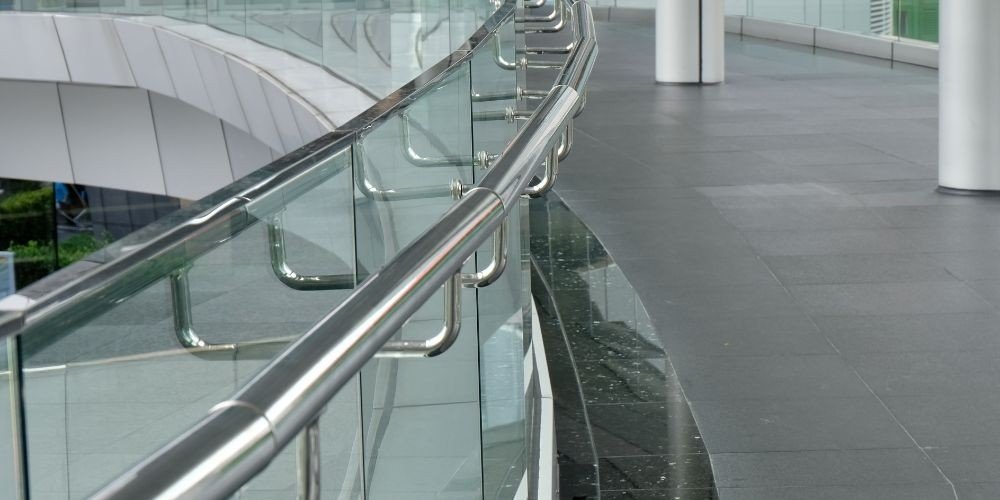
Steel offers strength and clean lines. Many people choose it for modern homes and commercial buildings.
Pros: Steel provides high load capacity. It handles heavy use well. It works for long spans and high-traffic areas.
Cons: Untreated steel rusts quickly in outdoor conditions. It requires coatings or galvanization to survive long-term exposure.
Steel is a strong choice when properly treated. Without protection, it fails early in outdoor settings.
Galvanized Steel Handrails
Galvanized steel railings for outdoor applications use zinc coating to protect steel from corrosion. This process creates a barrier between metal and moisture.
Pros: Galvanized steel resists rust effectively. It performs well in humid climates. It suits residential and commercial use.
Cons: The surface finish looks more industrial. Custom shaping requires fabrication expertise.
For many projects, galvanized steel railings outdoor solutions strike a balance between strength and weather performance.
Wrought Iron Handrails
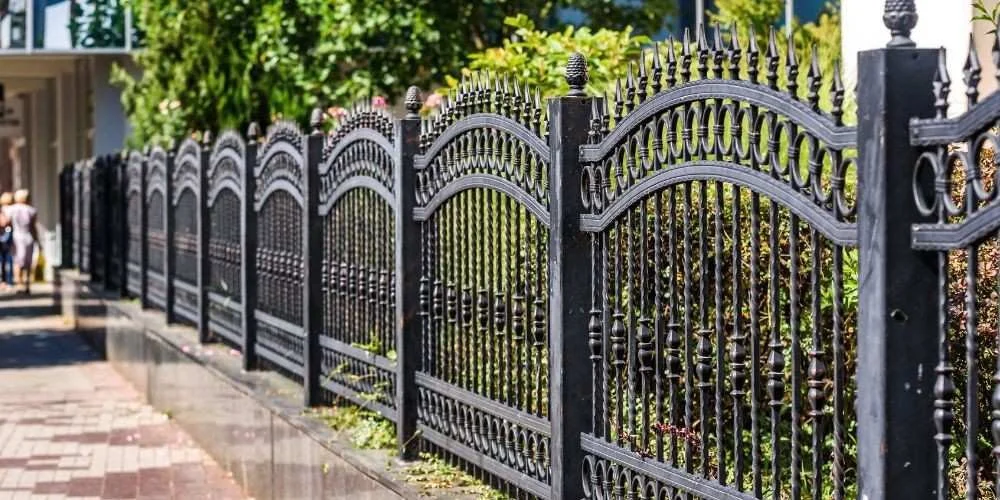
Wrought iron offers traditional appeal. Many historic homes use it for decorative railings.
Pros: Iron allows intricate designs. It adds visual character. It feels solid and substantial.
Cons: Iron rusts without maintenance. It requires painting and periodic care.
Iron works best when owners commit to upkeep. Without maintenance, corrosion becomes inevitable.
Aluminum Handrails
Aluminum remains popular for residential use. It weighs less than steel and does not rust.
Pros: Aluminum resists corrosion naturally. It requires minimal maintenance. It installs easily.
Cons: Aluminum lacks the strength of steel. It may flex under heavy load.
For low to moderate use, aluminum provides reliable performance. For high-traffic areas, strength limitations matter.
Stainless Steel Handrails
Stainless steel offers a modern appearance and corrosion resistance.
Pros: Stainless steel resists rust well. It handles moisture effectively. It fits contemporary designs.
Cons: Cost runs higher than other options. Scratches show easily.
Stainless steel performs best in coastal or humid environments when the budget allows.
Comparing Outdoor Handrail Materials
The table below compares common materials based on real-world performance.
| Material | Cost | Durability | Maintenance | Weather Resistance |
|---|---|---|---|---|
| Steel | Moderate | Very High | High | Low |
| Galvanized Steel | Moderate | Very High | Low | High |
| Wrought Iron | Moderate | High | High | Medium |
| Aluminum | Low to Moderate | Medium | Very Low | High |
| Stainless Steel | High | High | Low | Very High |
This comparison helps identify the best material for outdoor handrails based on usage and environment rather than appearance alone.
Weather Resistance and Long-Term Performance
Outdoor handrails face daily exposure. Heat expands metal. Rain introduces moisture. Humidity accelerates corrosion.
A true weather resistant railing must handle all these conditions consistently. Galvanized steel and aluminum perform well in fluctuating climates. Stainless steel excels in moisture-heavy regions.
Choosing rust resistant materials reduces maintenance costs and safety risks. Rust weakens joints and compromises load capacity. Prevention matters more than repair.
Best Handrail Materials for Different Climates
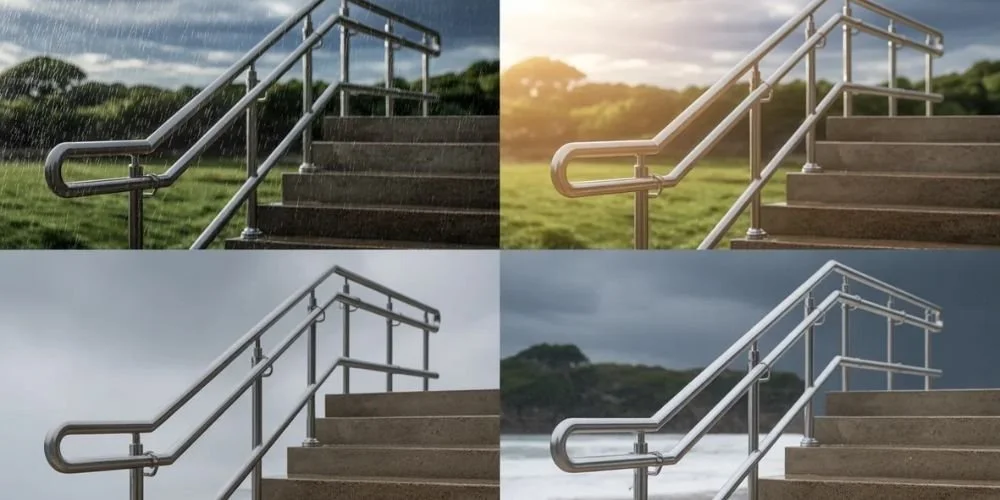
Climate plays a major role in material selection.
Hot and Humid Areas
High humidity demands corrosion protection. Galvanized steel railings outdoor systems perform well here. Aluminum also resists moisture effectively.
Rain-Heavy Regions
Consistent rain increases rust risk. Weather resistant railing materials, like galvanized steel or stainless steel, provide better longevity.
Dry and Hot Climates
Dry air reduces corrosion, but heat stress remains. Both steel and aluminum work well when installed properly. Matching material to climate improves lifespan and safety.
Residential vs Commercial Handrail Needs
Homes and commercial properties place different demands on handrails.
Residential Properties
Homeowners often prioritize appearance and low maintenance. Aluminum and galvanized steel work well. They balance strength and ease of care.
Commercial Properties
Commercial spaces require higher load ratings and strict code compliance. Galvanized steel and stainless steel deliver reliable performance under constant use.
Understanding types of outdoor handrails helps align material choice with usage intensity.
Safety Codes and Structural Integrity
Outdoor handrails must meet local building codes. Height, spacing, and load capacity matter.
Material strength affects compliance. Steel-based systems handle code requirements more easily than lightweight alternatives. Using rust resistant materials ensures the handrail remains compliant over time. Safety should always outweigh aesthetics.
Maintenance Expectations by Material
Maintenance varies widely between materials.
● Steel requires repainting and inspection
● Iron demands regular rust treatment
● Aluminum needs minimal cleaning
● Galvanized steel requires occasional inspection
● Stainless steel needs surface care
Understanding maintenance helps confirm the best outdoor railing material for your lifestyle or property management plan.
Why Galvanized Steel Often Wins
For many properties, galvanized steel offers the best overall balance. It provides strength. It resists corrosion. It supports long spans and heavy use.
Galvanized steel railings outdoor systems perform well in residential and commercial environments. They suit stairs, balconies, ramps, and patios.
When clients ask about rust resistant materials that still feel solid and permanent, galvanized steel often leads the recommendation list.
Custom Fabrication Makes the Difference
Material choice alone does not guarantee performance. Fabrication quality matters equally. Professional fabrication ensures:
● Proper weld penetration
● Accurate measurements
● Code-compliant spacing
● Secure anchoring
Custom fabrication allows handrails to match the property and perform safely for years.
Why Professional Fabrication Matters in San Antonio
San Antonio's weather challenges outdoor structures. Heat cycles and storms regularly test materials. Working with a local expert ensures materials and designs match regional conditions. Elevate Fabricators builds custom steel and iron handrails designed for long-term performance in Texas environments.
Their experience with residential and commercial projects helps clients choose the best material for outdoor handrails based on real-world use.
Making the Right Choice for Your Property
Choosing the best outdoor railing material starts with an honest evaluation. Consider the climate. Consider usage. Consider maintenance tolerance.
Aluminum works well for light residential use. Stainless steel fits modern designs with higher budgets. Galvanized steel delivers strength and durability across most scenarios.
Understanding the types of outdoor handrails simplifies decision-making and prevents costly mistakes.
Final Thoughts and Next Steps
The best material for outdoor handrails protects people first and appearance second. Strength, weather resistance, and long-term reliability matter most. Choosing weather resistant railing systems built from rust resistant materials reduces future repairs and safety concerns. For many properties, galvanized steel remains the most dependable option.
If you want outdoor handrails built for strength, safety, and Texas weather, reach out to Elevate Fabricators for a free estimate. Their team can help you select the right material and fabricate a custom solution that performs reliably for years.
