
How to Choose the Best Material for Metal Fabrication
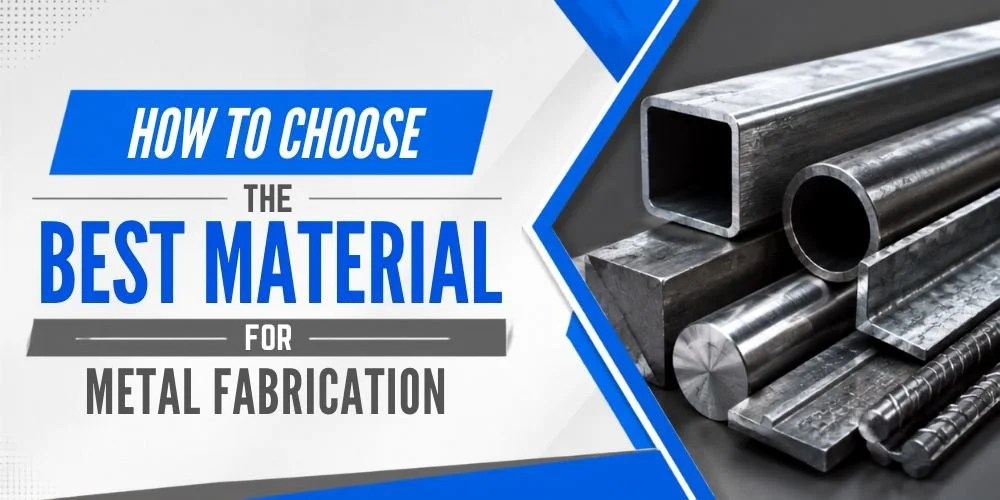
Starting a metal fabrication project involves several important decisions, and choosing the right material is one of the most critical. With options like carbon steel, stainless steel, aluminum, galvanized steel, and wrought iron, it isn't always obvious which material is best for your project. The right choice depends on how the finished product will be used, the environment it will face, and the performance you expect over time.
In this guide, you'll learn about the most common metal fabrication materials, what makes each one different, and the key factors to consider before choosing the best material for your fabrication project.
What Is Metal Fabrication?
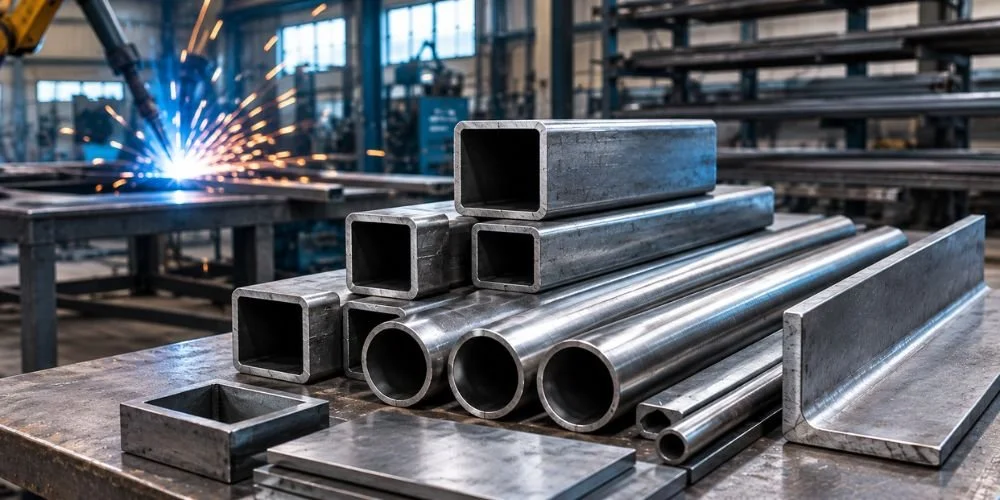
Metal fabrication is the process of transforming raw metal into finished products through techniques such as cutting, bending, forming, machining, and welding. These processes allow fabricators to create custom components for residential, commercial, and industrial applications, with the specific methods depending on the material and project requirements.
Unlike metal manufacturing, which focuses on producing raw metal products, metal fabrication involves shaping and assembling those materials into finished products such as staircases, railings, gates, structural frames, patio covers, and other custom metal structures.
Because every fabrication project has different structural and environmental requirements, selecting the right material is one of the first and most important steps in the fabrication process.
Why Choosing the Right Material Matters
Not every metal performs the same way. A material that works well for an indoor staircase may not be the best choice for an outdoor gate exposed to moisture and changing weather conditions.
Choosing the right fabrication material can help improve:
Structural strength
Corrosion resistance
Long-term durability
Weldability
Maintenance requirements
Overall project performance
Selecting a material based on where and how it will be used helps reduce future maintenance and supports reliable performance throughout the product's service life.
Common Materials Used in Metal Fabrication
Every fabrication material offers different properties that affect strength, corrosion resistance, weldability, and overall performance. Understanding these differences helps you choose the right material for your project's requirements and installation environment.
Carbon Steel
Carbon steel is one of the most widely used materials in metal fabrication because of its strength, versatility, and ease of fabrication. Available in low-, medium-, and high-carbon grades, it can be selected based on the required balance of strength, flexibility, and hardness. Its excellent weldability makes it a popular choice for structural and heavy-duty projects.
Common Applications
Structural frames
Metal staircases
Heavy-duty gates
Industrial equipment
Support beams
Stainless Steel
Stainless steel is valued for its corrosion resistance, durability, and clean appearance. Its chromium content helps protect against rust, making it ideal for indoor and outdoor fabrication. Grade 304 is commonly used for general applications, while Grade 316 offers added protection in harsher environments.
Common Applications
Stair railings
Balcony railings
Handrails
Commercial buildings
Outdoor architectural features
Aluminum
Aluminum is lightweight, corrosion-resistant, and easy to machine and form. Its high strength-to-weight ratio makes it suitable for projects that require durability without adding unnecessary weight. Different aluminum alloys are available to meet various fabrication needs.
Common Applications
Patio covers
Lightweight frames
Decorative panels
Architectural components
Signage
Galvanized Steel
Galvanized steel is carbon steel coated with zinc to improve corrosion resistance. The protective coating helps reduce rust, making it a dependable option for outdoor fabrication projects that require long-term durability.
Common Applications
Outdoor gates
Fencing
Exterior staircases
Patio covers
Structural supports
Wrought Iron
Wrought iron is known for its decorative appearance and ability to be shaped into detailed designs. Although it is used less often for structural fabrication, it remains a popular choice for ornamental projects that combine strength with classic style.
Common Applications
Decorative gates
Balcony railings
Fence panels
Window guards
Architectural accents
While understanding the properties of different metals is an important first step, choosing the right material also depends on your project's specific needs. Factors such as strength, corrosion resistance, weight, weldability, and the installation environment should all be considered before making a final decision.
Factors to Consider Before Choosing a Material
Choosing the right material involves more than simply selecting the strongest metal. Every fabrication project has different structural, environmental, and performance requirements. Evaluating these factors before fabrication begins helps ensure the finished product delivers long-lasting reliability and functionality.
Strength Requirements
The material should match the structural demands of the project. Heavy-duty applications such as structural frames and staircases typically require high-strength materials, while decorative features may prioritize appearance over maximum load-bearing capacity.
Corrosion Resistance
If the fabricated product will be exposed to rain, humidity, or changing weather conditions, corrosion resistance becomes an important consideration. Materials that resist rust generally provide better long-term performance in outdoor environments.
Weight
The weight of a material influences transportation, installation, and overall structural design. Lightweight materials are often preferred for projects where easier handling is important, while heavier materials provide greater strength for demanding applications.
Weldability
Many fabrication projects require components to be joined together. Choosing a material with good weldability helps improve fabrication quality and produces stronger joints.
Carbon steel is easy to cut, bend, and weld.
Stainless steel requires proper welding procedures to maintain corrosion resistance.
Aluminum requires specialized welding techniques because it conducts heat quickly.
Galvanized steel often requires surface preparation before welding due to its zinc coating.
Maintenance Requirements
Different materials require different levels of maintenance. Some metals naturally resist corrosion and require minimal upkeep, while others may need protective coatings or regular maintenance to preserve their appearance and performance.
Installation Environment
Always consider where the fabricated product will be installed. Indoor applications generally focus on strength and appearance, while outdoor projects require materials capable of withstanding moisture, temperature changes, and environmental exposure.
Once you've considered the key selection factors, the next step is matching the material to your specific fabrication project. The following recommendations provide a general guide for common applications.
Choosing the Right Material for Different Metal Fabrication Applications
There is no single material that works best for every fabrication project. The ideal choice depends on the intended application and performance requirements.
| Application | Recommended Material | Reason |
|---|---|---|
| Structural Frames | Carbon Steel | High strength and durability |
| Staircases | Carbon Steel | Excellent load-bearing performance |
| Railings | Stainless Steel | Corrosion resistance and clean appearance |
| Outdoor Gates | Galvanized Steel | Excellent weather resistance |
| Patio Covers | Galvanized Steel or Aluminum | Suitable for outdoor conditions |
| Decorative Features | Wrought Iron | Traditional appearance and custom designs |
These recommendations provide a practical starting point. The final material selection should always consider the project's environment, structural needs, and fabrication requirements.
Common Mistakes to Avoid When Choosing Fabrication Materials
Choosing the wrong material can affect durability, performance, and maintenance. Avoid these common mistakes when planning your fabrication project.
Choosing Based Only on Appearance
A visually attractive material may not provide the strength or durability required for the application.
Ignoring Environmental Conditions
Materials installed outdoors should be able to withstand moisture, sunlight, and changing weather conditions.
Overlooking Weldability
Not all metals respond the same way during welding. Considering weldability before fabrication helps produce stronger, more reliable joints.
Ignoring Maintenance Requirements
Some materials require more maintenance than others. Understanding these requirements before fabrication helps prevent unnecessary repairs later.
Selecting the Wrong Material for the Application
Different projects have different performance requirements. Choosing materials based on their intended use improves safety, durability, and long-term performance.
Material Selection Checklist
Before selecting a material, consider the following questions:
Will the product be used indoors or outdoors?
Will it be exposed to moisture or changing weather?
Does the project require high structural strength?
Is corrosion resistance important?
Will welding be required?
Does the material match the intended application?
What level of maintenance is acceptable?
Answering these questions can help narrow your options and simplify the material selection process.
Frequently Asked Questions
What is the best material for metal fabrication?
There is no single best material for every project. The right choice depends on strength requirements, corrosion resistance, weldability, maintenance needs, and the intended application.
What is the difference between metal fabrication and steel fabrication?
Metal fabrication is a broad process that includes working with various metals such as steel, aluminum, stainless steel, and wrought iron. Steel fabrication specifically focuses on products made from steel.
Which material is best for outdoor metal fabrication?
Galvanized steel and stainless steel are commonly used for outdoor fabrication because they offer excellent corrosion resistance and long-term durability.
Which metal is easiest to weld?
Carbon steel is generally considered one of the easiest materials to weld, making it a preferred choice for many structural and custom fabrication projects.
Can the same material be used for every fabrication project?
No. Every project has unique structural and environmental requirements. Selecting the material based on the intended application helps achieve better performance and durability.
Which material lasts the longest in outdoor environments?
Galvanized steel and stainless steel are commonly chosen for outdoor applications because they provide excellent corrosion resistance and long-term durability when properly fabricated and maintained.
Conclusion
Choosing the right material is one of the most important steps in any metal fabrication project. By understanding how carbon steel, stainless steel, aluminum, galvanized steel, and wrought iron perform in different applications, you can select a material that delivers the right balance of strength, durability, corrosion resistance, and long-term performance.
Making the right material choice from the start helps improve the durability, performance, and long-term value of your fabrication project. At Elevate Fabricators, we design and fabricate custom gates, railings, staircases, patio covers, and other steel structures in San Antonio, helping residential and commercial customers choose materials that meet their project's requirements and deliver lasting performance.
