
How to Prevent Rust on Metal
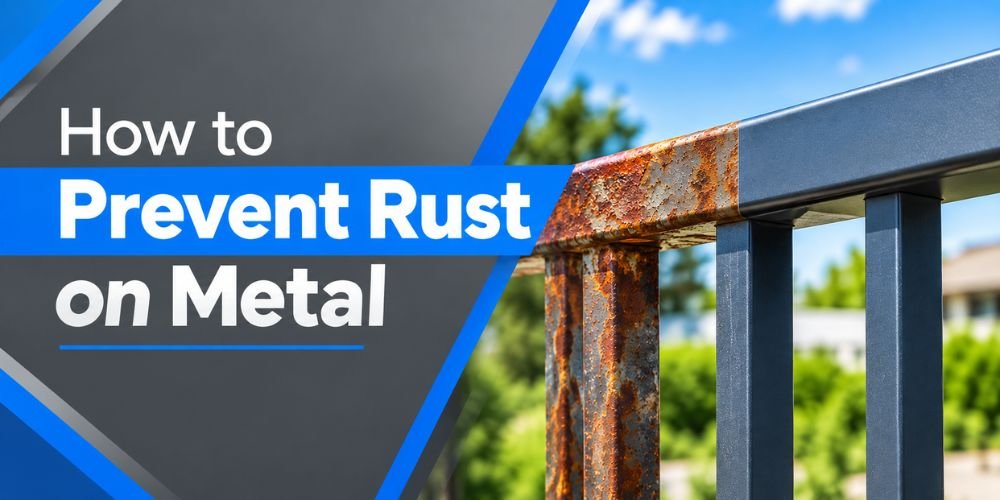
Rust is a common problem for iron and steel, especially when metal is exposed to moisture, oxygen, humidity, salt, and dirt. Over time, rust can affect the appearance and condition of metal surfaces.
For outdoor metalwork such as railings, gates, staircases, carports, patio covers, and fences, preventing rust early can help maintain strength, appearance, and service life. Regular cleaning, proper surface protection, and quick repairs can make a significant difference.
What Is Rust?
Rust develops when iron or iron-containing metals, such as steel, react with oxygen and moisture. This reaction creates the reddish-brown or orange corrosion commonly seen on exposed metal.
If rust is left untreated, it can progress from surface discoloration to pitting and material deterioration. The speed of corrosion depends on factors such as moisture, humidity, salt, chemicals, temperature, the type of metal, and the protection applied to its surface.
What Causes Rust on Metal?
Several conditions can cause or speed up rust formation, including:
Rain and direct water exposure
High humidity and moisture in the air
Standing water around metal surfaces
Road salt and other corrosive materials
Dirt and debris that hold moisture against the metal
Scratches, chips, or damaged paint
Worn or damaged protective coatings
Poor surface preparation before painting or coating
Water collecting inside joints, corners, or cavities
Lack of regular cleaning and maintenance
Outdoor metal is particularly exposed to changing weather conditions. Areas where water collects or protective coatings have been damaged should receive extra attention.
What Types of Metal Rust?
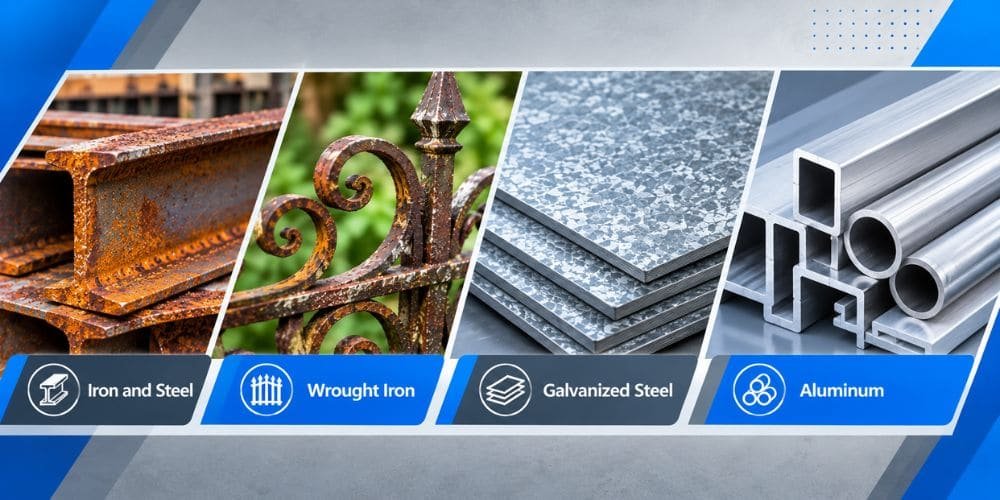
Not every metal reacts to corrosion in the same way. The material and its protective finish can affect how well it handles moisture and environmental exposure.
Iron and Steel
Iron and ordinary steel can rust relatively easily when their surfaces are exposed to moisture and oxygen. Protective coatings, paint, galvanizing, or other corrosion-control methods can help reduce exposure.
Wrought Iron
Wrought iron can also rust when its protective finish is damaged or when it remains exposed to moisture for long periods. Regular inspection and maintenance can help protect wrought iron railings, gates, fences, and decorative features.
Stainless Steel
Stainless steel is more resistant to corrosion than ordinary steel because of its chromium content. However, stainless steel is not completely rust-proof. Surface contamination, harsh environments, and certain conditions can still cause corrosion.
Galvanized Steel
Galvanized steel has a zinc coating that protects the underlying steel. The zinc provides a barrier against the environment and can continue providing protection even when the surface receives minor damage.
Aluminum
Aluminum does not develop traditional iron rust because it does not contain iron. However, it can still oxidize and experience other forms of corrosion depending on the environment.
How to Prevent Rust on Metal
Preventing rust starts with reducing exposure to moisture and protecting the metal surface. The right method depends on the type of metal, where it will be used, and how much weather exposure it will receive.
Keep Metal Clean and Dry
Dirt and debris can hold moisture against a metal surface and create conditions that encourage corrosion. Regular cleaning can help remove dirt, salt, and other materials that may contribute to rust.
After cleaning, allow the metal to dry properly. Pay particular attention to joints, corners, connections, and other areas where water may collect.
Use Paint and Protective Coatings
Paint and protective coatings create a barrier between the metal surface and moisture. Depending on the application, products such as epoxy, enamel, polyurethane, or other protective finishes can help reduce corrosion.
Proper preparation is important before applying any coating. The surface should be clean and free from loose rust, dirt, grease, and moisture. Scratches or damaged areas should also be repaired so moisture cannot reach the exposed metal.
Consider Galvanizing
Galvanization protects iron and steel by applying a layer of zinc to the surface. Hot-dip galvanizing is one common method.
The zinc layer helps protect the underlying metal from moisture and corrosion. Galvanized steel can be useful for outdoor applications where metal is regularly exposed to weather.
Use Powder Coating
Powder coating creates a durable finish over metal and acts as a barrier between the surface and moisture. It can provide both corrosion protection and a finished appearance.
As with other coatings, proper surface preparation is important. If the coating becomes chipped or damaged, the affected area should be inspected and repaired to help prevent corrosion from developing.
Choose a Suitable Metal
Material selection also affects corrosion resistance. Stainless steel and aluminum generally provide greater resistance to corrosion than ordinary iron and carbon steel.
However, choosing a material is not only about rust resistance. The project's environment, strength requirements, appearance, intended use, and maintenance needs should also be considered.
Inspect Metal Regularly
Regular inspection can help identify corrosion before it becomes a larger problem. Look for:
Small rust spots
Scratches and chipped paint
Damaged protective coatings
Water collecting around joints
Rust around connections
Areas where dirt and debris have accumulated
Small problems are usually easier to address before corrosion spreads or affects the underlying metal.
How to Stop Rust Once It Starts
Rust that has already appeared does not always mean the metal needs to be replaced. Early-stage rust can often be treated when the underlying metal is still in good condition.
The right approach depends on how much corrosion has developed and the condition of the metal underneath.
Remove Loose Rust
Start by removing loose or flaking rust from the affected area. Depending on the condition of the metal, this may involve a wire brush, sanding, scraping, or another suitable preparation method.
The goal is to remove unstable corrosion and expose a solid surface for further treatment.
Clean and Prepare the Surface
After removing loose rust, clean the surface thoroughly. Dirt, grease, dust, and moisture can prevent primers or coatings from bonding properly.
Allow the surface to dry completely before applying any protective product.
Apply a Rust Treatment or Primer
A suitable rust treatment or corrosion-resistant primer can help prepare the surface for a protective finish.
The product should be selected according to the type of metal, condition of the surface, and intended application. Always follow the manufacturer's preparation and application instructions.
Apply a Protective Finish
Once the surface has been properly prepared, apply a suitable paint, coating, or other protective finish.
The finish creates a barrier that helps prevent moisture and oxygen from reaching the metal. Regular inspection is still important because future scratches or coating damage can expose the surface again.
Why Should You Repair Scratches and Damaged Coatings Quickly?
A scratch or chipped coating may seem minor, but it can expose the underlying metal to moisture and oxygen. Over time, this can create an opportunity for corrosion to develop.
Repairing damaged areas early helps maintain the protective barrier and reduces the chance of corrosion spreading around the affected area.
This is especially important for outdoor railings, gates, stairs, carports, patio covers, and other metal structures exposed to changing weather conditions.
How to Protect Outdoor Metal From Rust
Outdoor metal requires regular attention because it is exposed to rain, humidity, sunlight, dirt, and changing weather conditions.
A few basic maintenance steps can help:
Keep metal surfaces clean.
Remove dirt, leaves, salt, and debris that can hold moisture.
Make sure water can drain properly.
Check joints, corners, connections, and other areas where water can collect.
Repair scratches and damaged coatings promptly.
Treat small rust spots before they spread.
Reapply protective coatings when needed.
Inspect outdoor metal regularly.
These steps can help protect metal railings, gates, staircases, carports, patio covers, fences, and other outdoor structures.
When Should Rusty Metal Be Repaired or Replaced?
Small areas of surface rust can often be cleaned, treated, and protected. More advanced corrosion requires closer inspection.
If rust has caused deep pitting, significant metal loss, weakened connections, or structural damage, simply painting over the surface may not be enough. In these situations, the affected component may need professional repair or replacement.
The condition of the underlying metal should always be considered before deciding how to treat heavily corroded areas.
Final Thoughts
Rust prevention comes down to controlling moisture, keeping metal clean, protecting exposed surfaces, and addressing damage early. Choosing the right material and protective finish can also help, especially for outdoor metalwork.
For railings, gates, staircases, carports, patio covers, and other custom metalwork, Elevate Fabricators focuses on proper material selection, surface protection, and fabrication practices that help metal perform well in outdoor conditions. Regular inspections and maintenance can also help identify scratches, damaged coatings, and early signs of rust before they become larger problems.
Frequently Asked Questions About Rust Prevention
How Can I Prevent Rust on Metal?
Keep metal clean and dry, limit exposure to moisture and salt, and use suitable protective coatings, paint, galvanizing, or other corrosion-control methods. Regularly inspect the surface for scratches, damaged coatings, and early signs of corrosion.
Does Painting Metal Prevent Rust?
Paint can help prevent rust by creating a barrier between the metal, moisture, and oxygen. Proper surface preparation is important because paint may not adhere properly to dirt, grease, or loose rust.
Can Galvanized Steel Rust?
Galvanized steel is protected by a zinc coating that helps slow corrosion. However, the coating can eventually wear or become damaged, allowing the underlying steel to corrode under certain conditions.
Does Stainless Steel Rust?
Stainless steel is highly resistant to corrosion, but it is not completely rust-proof. Contamination, harsh environments, surface damage, and prolonged exposure to certain conditions can still cause corrosion.
What Should I Do If Metal Has Already Started Rusting?
Remove loose rust, clean and prepare the surface, and apply an appropriate rust treatment, primer, paint, or protective coating. If the corrosion has caused deep pitting, significant metal loss, or structural damage, the metal may require professional repair or replacement.
How Often Should Outdoor Metal Be Checked for Rust?
Outdoor metal should be inspected regularly, especially after periods of heavy rain or prolonged moisture exposure. Pay close attention to joints, corners, connections, scratches, and areas where water can collect.
What Is the Best Way to Protect Outdoor Metal From Rust?
The right protection depends on the type of metal and its exposure to moisture and weather. Paint, powder coating, galvanizing, protective coatings, regular cleaning, and proper maintenance can all help reduce corrosion on outdoor metal.
Can Powder Coating Help Prevent Rust?
Yes. Powder coating creates a protective finish that helps separate the metal surface from moisture and other environmental factors. Proper cleaning and surface preparation before coating are important for long-term performance.
What Type of Metal Is Most Resistant to Rust?
Stainless steel and aluminum are generally more resistant to corrosion than ordinary iron and carbon steel. However, the appropriate material depends on the project's environment, strength requirements, appearance, and intended use.
