
How to Remove Rust from Metal: Step-by-Step Guide
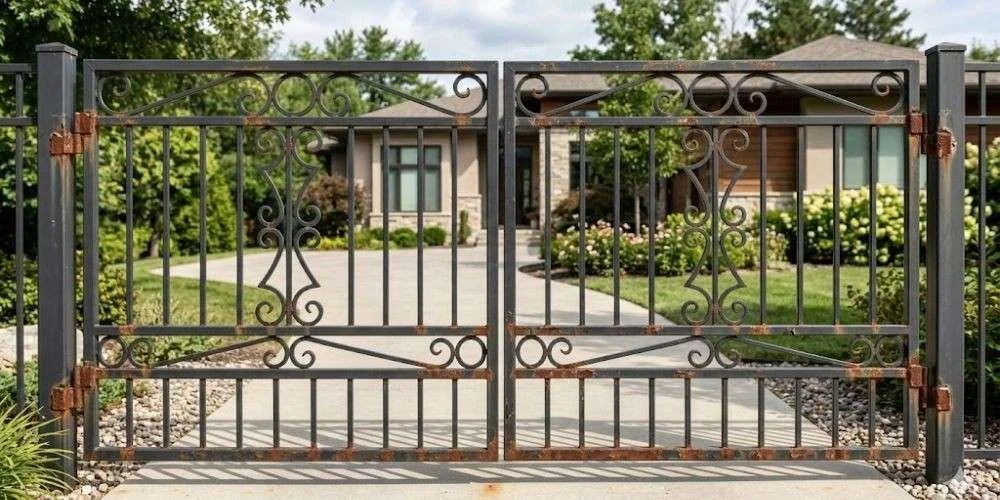
Rust might not seem dangerous to touch, but it’s definitely frustrating. When rust forms on your tools, gates, railings, or outdoor furniture, it doesn’t just look bad, it affects performance too. Ever tried using a pair of rusty pliers that barely move? Or opened a gate that squeaks and sticks because of corrosion? That’s rust doing its damage.
When water sits on metal surfaces for long periods, it triggers a chemical reaction called oxidation. Over time, this reaction creates rust on metal, weakening the surface and spreading deeper into the material.
But here’s the good news, rust doesn’t always mean it’s time to throw the item away. If you’re wondering how to remove rust from metal, the process may require some effort, but it’s absolutely possible. With the right tools and techniques, you can restore metal surfaces and extend their life.
If you're planning upgrades, explore our modern railing ideas for durable and stylish options.
What Causes Rust on Metal and Why It Spreads Quickly
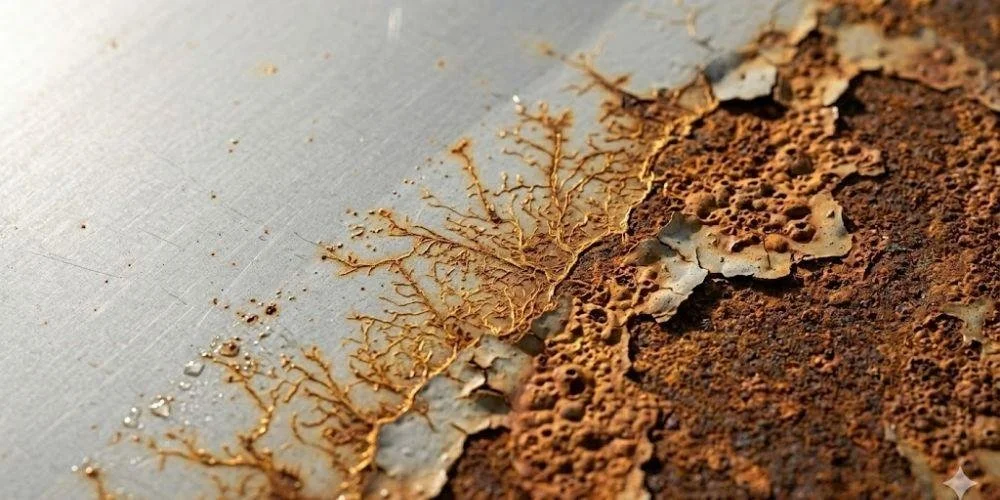
Rust is one of the most common problems with metal, especially iron and steel. You might notice a small orange-brown spot at first, but within weeks it can spread across the entire surface. But why does this happen?
What Is Rust and How Does It Form?
Rust is a reddish-brown substance that forms when iron or steel reacts with oxygen and moisture. This chemical reaction is called oxidation.
For rust to form, three things are required:
● Iron (or steel)
● Oxygen (from air)
● Water or moisture (rain, humidity, condensation)
When these combine, they create iron oxide, which we call rust.
Even a small amount of humidity in the air can start the rusting process. That’s why metal objects kept outdoors or in damp environments are more likely to rust.
Common triggers that speed up rust formation:
● Rain and standing water
● High humidity
● Salt (especially in coastal areas)
● Scratches in paint or coating
● Pollution and chemicals
If the protective layer on metal gets damaged, the exposed surface reacts faster with air and moisture.
Why Rust on Metal Gets Worse Over Time
Rust doesn’t stay in one place, it spreads. Here’s why:
1. Rust Is Porous
Unlike solid metal, rust is flaky and porous. It does not protect the surface underneath. Instead, it allows more air and moisture to reach the fresh metal below.
2. It Creates a Chain Reaction
Once rust starts, it weakens the metal surface. This exposes more iron to oxygen and water, which causes even more rust. The cycle keeps repeating.
3. It Weakens the Structure
As rust eats away at metal, it reduces thickness and strength. Over time, this can damage railings, gates, staircases, and other structural components.
That’s why a small rust spot can quickly turn into serious corrosion if ignored.
Which Types of Metal Are More Likely to Rust?
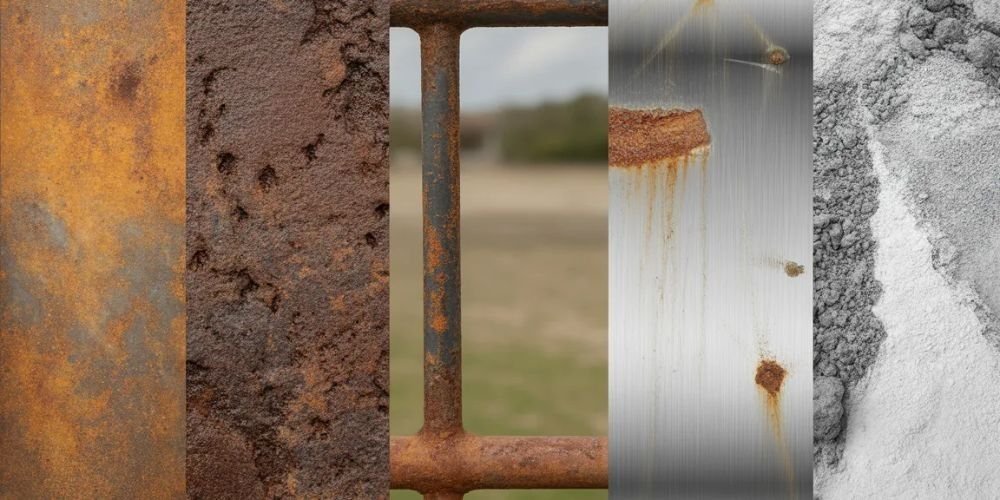
Not all metals rust the same way. Rust mainly affects metals that contain iron.
1. Carbon Steel
Highly prone to rust because it contains a high percentage of iron and has little natural corrosion resistance.
2. Cast Iron
Rusts easily, especially when exposed to outdoor moisture.
3. Wrought Iron
Common in railings and gates. Strong, but still vulnerable without proper coating or maintenance.
4. Stainless Steel
More resistant to rust because it contains chromium, which forms a protective layer. However, it can still rust in harsh environments or if the surface is damaged.
5. Aluminum
Aluminum does not rust like iron, but it can corrode. Instead of red rust, it forms a white, powdery oxidation layer.
Tools and Rust Remover Products Needed to Remove Rust from Metal
Removing rust from metal is not difficult, but using the right tools and rust remover products makes the job faster, safer, and more effective. The tools you need depend on how severe the rust is (light surface rust or heavy corrosion).
Household Items to Remove Rust from Metal Naturally
For light rust stains, you don’t always need expensive chemicals. Some common household items can help remove rust from metal naturally.
1. White Vinegar
Vinegar contains acetic acid, which helps dissolve rust.How to use: Soak the rusty metal in vinegar for a few hours, then scrub with a brush.
2. Baking Soda
Best for light rust.How to use: Mix baking soda with water to make a paste, apply it to rusted areas, and scrub after 1–2 hours.
3. Lemon and Salt
Salt boosts the acidity of lemon juice.How to use: Sprinkle salt on rust, squeeze lemon juice over it, leave for a few hours, then scrub.
4. Aluminum Foil
When dipped in water, it can gently scrub rust without damaging the metal surface.
These methods are affordable and eco-friendly but work best for minor rust.
Mechanical Tools for Removing Rust from Metal
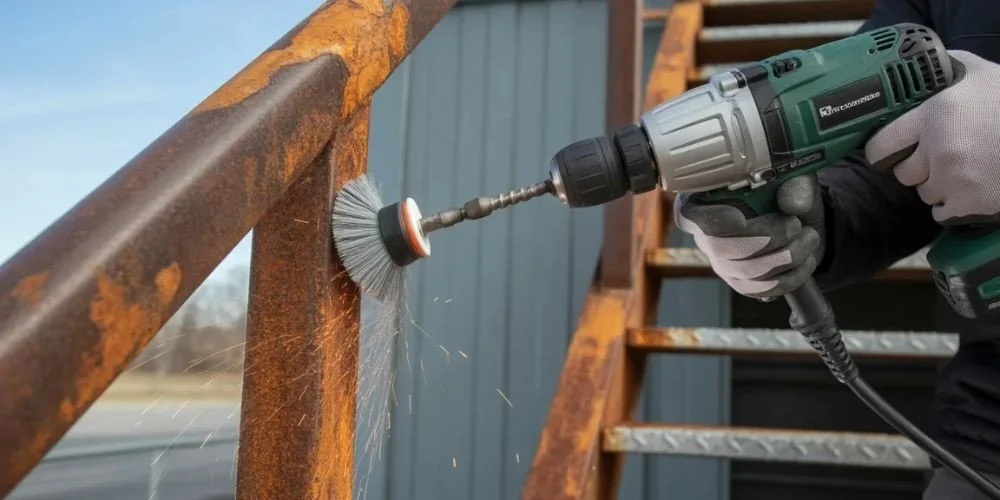
When rust is thicker or covers a larger area, mechanical tools are more effective.
1. Wire Brush
Simple and effective for surface rust.
2. Sandpaper
Start with coarse grit (80–120) and finish with fine grit (220+) for smooth results.
3. Angle Grinder with Wire Wheel
Best for heavy rust on gates, railings, carports covers or large metal structures.
4. Drill with Wire Brush Attachment
Good for medium rust and hard-to-reach areas.
Mechanical removal is fast and effective but may require effort and safety precautions.
Choosing the Best Rust Remover for Heavy Rust
For deep corrosion, chemical rust removers are often necessary.
Types of Rust Remover Products:
1. Rust Dissolvers (Acid-Based)
These chemically break down rust. Great for soaking smaller parts.
2. Rust Converter
Converts rust into a stable black coating that can be painted over. Ideal for structural metal like railings or fences.
3. Rust Remover Gels
Thick formula that sticks to vertical surfaces, perfect for gates and staircases.
4. Electrolytic Rust Removal Kits
Advanced method for restoring tools and antique metal items.
Safety Tips When Using a Rust Remover
Rust removal can involve sharp tools and chemicals, so safety is important.
1. Wear Protective Gear
● Gloves
● Safety glasses
● Mask (especially when sanding or grinding)
2. Work in a Ventilated Area
Chemical rust removers can produce strong fumes.
3. Avoid Mixing Chemicals
Never mix different rust remover products.
4. Dispose Properly
Follow local guidelines when disposing of used chemicals.
5. Protect Surrounding Areas
Cover nearby surfaces to avoid damage from acid splashes or metal dust.
Simple Methods to Remove Rust from Metal
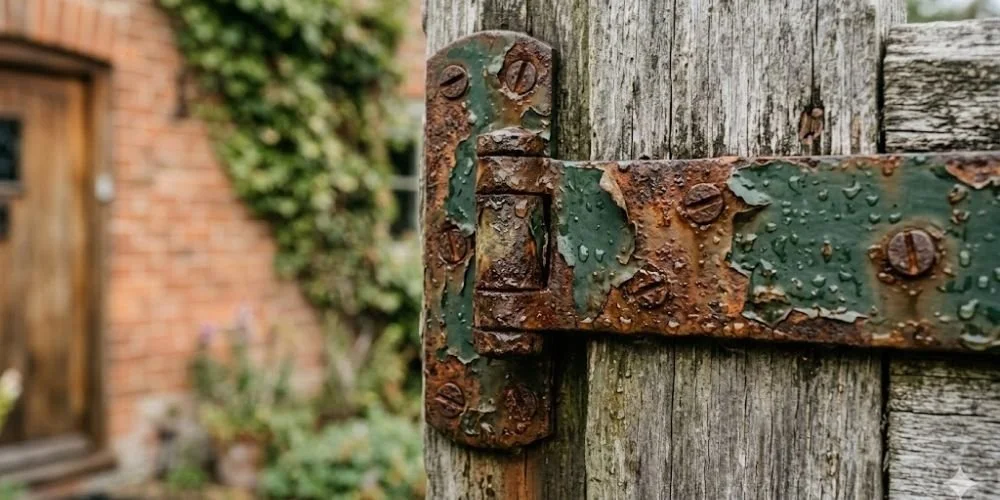
Rust can damage tools, railings, gates, stairs and other metal surfaces if not treated early. The good news is that you can remove rust from metal using simple household items or professional tools, depending on how severe the corrosion is.
Below are 6 proven step-by-step methods you can use.
Method 1 – How to Remove Rust from Metal with Vinegar
Best for: Light to moderate rustWhy it works: Vinegar contains acetic acid that dissolves rust.
Step-by-step process:
1. Submerge the rusty metal item in white vinegar.
2. Leave it soaked for 4–12 hours (depending on rust level).
3. Remove the item and scrub with a brush or steel wool.
4. Rinse with water and dry completely.
Tip: Always dry the metal immediately to prevent new rust from forming.
Method 2 – Removing Rust from Metal Using Baking Soda
Best for: Small rust spotsWhy it works: Baking soda is mildly abrasive and helps lift surface rust.
Steps:
1. Mix baking soda with water to form a thick paste.
2. Apply the paste over the rusted area.
3. Let it sit for 1–2 hours.
4. Scrub with a brush or sponge.
5. Rinse and dry thoroughly.
This method is safe and budget-friendly.
Method 3 – How to Get Rid of Rust on Metal with Lemon and Salt
Best for: Light surface rustWhy it works: Lemon’s natural acid reacts with salt to break down rust.
Steps:
1. Sprinkle salt over the rusted surface.
2. Squeeze fresh lemon juice over the salt.
3. Let it sit for 2–3 hours.
4. Scrub gently with a brush.
5. Rinse and dry properly.
This is a natural and eco-friendly rust removal method.
Method 4 – How to Remove Rust from Metal Using Sandpaper or Wire Brush
Best for: Moderate rustWhy it works: Physically scrapes rust off the surface.
Steps:
1. Use coarse sandpaper (80–120 grit) or a wire brush.
2. Scrub the rusted area until bare metal is visible.
3. Smooth the surface with fine-grit sandpaper (220+ grit).
4. Wipe clean and apply primer or paint to prevent future rust.
Always wear gloves and safety glasses when sanding.
Method 5 – Using a Commercial Rust Remover for Fast Results
Best for: Heavy rust or large areasWhy it works: Chemical formulas dissolve or convert rust quickly.
Steps:
1. Apply the rust remover according to instructions.
2. Let it sit for the recommended time.
3. Scrub or wipe off loosened rust.
4. Rinse and dry completely.
Some products act as rust converters, turning rust into a paintable black coating.
Method 6 – Remove Rust from Metal with Power Tools (For Severe Rust)
Best for: Severe rust on railings, gates, or structural metal Why it works: Power tools remove thick rust quickly.
Tools you can use:
● Angle grinder with wire wheel
● Drill with wire brush attachment
● Power sander
Steps:
1. Wear protective gear (gloves, goggles, mask).
2. Use the power tool to grind away heavy rust.
3. Clean off debris.
4. Apply primer and rust-resistant paint.
This method is powerful but should be used carefully to avoid damaging the metal.
Best Rust Remover Options for Different Types of Rust on Metal
Not all rust is the same, and neither are rust removers. Some are gentle and natural, while others are powerful chemical solutions. Choosing the right rust remover depends on the type of rust, where the metal is located, and how deep the corrosion is.
Chemical Rust Remover vs Natural Rust Remover
Rust removers come in two basic categories: chemical and natural. Each has advantages and best-use scenarios.
Chemical Rust Removers
These are industrial or commercial products formulated with acids or rust-converting chemicals.
Pros:
● Powerful and fast
● Effective on moderate to severe rust
● Can be used on large areas
Cons:
● Strong fumes
● Requires safety precautions (gloves, goggles, ventilation)
● Not eco-friendly
Examples: Phosphoric acid rust removers, rust converter gels, rust dissolvers.
Best for: Heavy rust, large outdoor metal surfaces, metal parts that need a deep clean.
Natural Rust Removers
These use everyday materials like vinegar, lemon juice, baking soda, or salt.
Pros:
● Affordable
● Safer for home use
● Environmentally friendly
Cons:
● Slower process
● Works best on light surface rust
Examples: Vinegar soak, lemon + salt paste, baking soda paste.
Best for: Small tools, home items, light rust spots.
Rust Remover for Outdoor Metal Surfaces
Outdoor metal surfaces like railings, gates, fences, and outdoor furniture face more moisture, rain, and temperature changes, making them more prone to rust.
Best Options:
1. Rust Converter Products
● Converts rust into a stable layer
● Prevents further corrosion
● Works well on vertical or large surfaces
2. Chemical Rust Removers
● Removes rust quickly
● Good for moderate to heavy rust
3. Power Tools with Wire Wheels / Sanders
● Ideal for thick, stubborn rust
● Requires protective gear
Tips for outdoor metal:
● After rust removal, apply rust-inhibiting primer and paint or a clear protective coating.
● Re-inspect every few months, especially in rainy or humid weather.
Rust Remover for Tools, Railings, and Gates
Different metal items need different approaches based on size, shape, and how they’re used.
Tools (Hand Tools, Garden Tools)
Best choice: White vinegar soak or baking soda paste for light rust
For moderate rust: Wire brush or sandpaper
Severe rust: Chemical rust remover soak
After cleaning, lightly oil the tools to prevent rust from returning.
Railings
Best choice: Rust converter or commercial remover for moderate to heavy rust
For surface rust: Scrubbing with wire brush or power tools works well
Finish: Primer + rust-resistant paint
Gates (Metal Gates & Fences)
Best choice: Rust remover gels and rust convertersFor very heavy rust: Power tools with wire wheels or grindersProtect: Seal with outdoor protective coating
When You Cannot Remove Rust from Metal
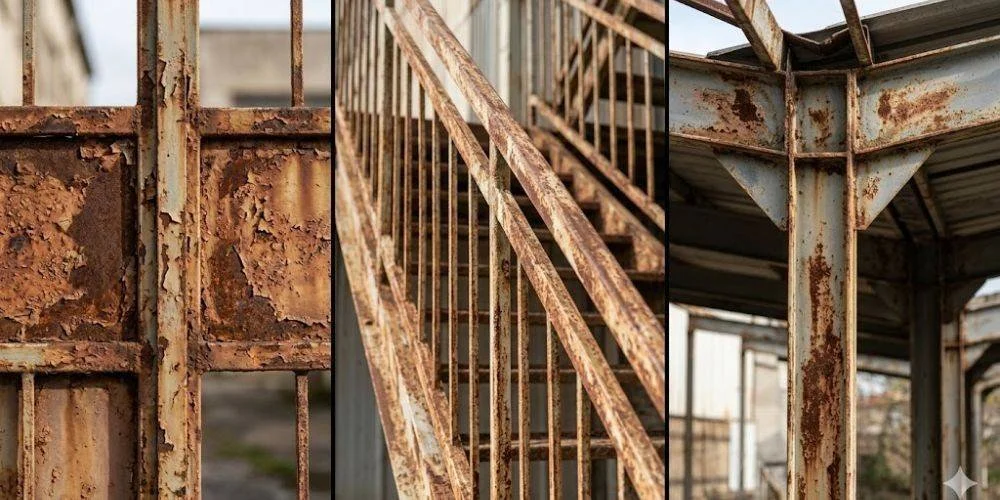
In many cases, rust can be cleaned using sandpaper, wire brushes, or chemical rust removers. But sometimes, rust goes beyond the surface. When corrosion becomes deep and structural, simple DIY rust removal is not enough.
Ignoring severe rust can lead to safety risks, especially in load-bearing structures like railings, staircases, gates, or support frames.
Let’s understand when professional help is necessary.
Signs Rust on Metal Has Caused Structural Damage
Here are clear warning signs that rust has damaged the structure:
1. Deep Pitting or Holes
If rust has eaten through the metal and created holes, the material has lost strength.
2. Flaking and Layer Separation
When metal starts peeling in layers, it means corrosion has penetrated deep.
3. Weak or Wobbly Structure
Railings that shake, gates that sag, or stairs that feel unstable are major red flags.
4. Excessive Thinning
If sanding reveals that the metal has become noticeably thin, its load capacity may be compromised.
In structural components, this can become a safety hazard and should not be ignored.
When Removing Rust from Metal Is Not Enough
You may need professional repair when:
● Rust keeps coming back quickly
● The metal has cracks after cleaning
● Structural weld joints are corroded
● Large sections are deeply pitted
In such cases, professionals may:
● Cut out and replace damaged sections
● Weld new metal parts
● Reinforce weak areas
● Apply industrial-grade protective coatings
DIY rust removal works for surface corrosion, not structural failure.
Repair or Replace Rusted Metal – What’s the Better Option?
Deciding whether to repair or replace rusted metal depends on three main factors:
1. Extent of Damage
● Minor surface rust → Repair and repaint
● Deep structural corrosion → Partial replacement
● Severe widespread damage → Full replacement
2. Cost Comparison
Sometimes repairing heavily rusted metal repeatedly costs more than replacing it once.
3. Safety Risk
If the metal supports weight (stairs, balconies, gates), replacement is often safer.
Final Thoughts
Rust on metal may seem minor at first, but it can spread quickly if ignored. The good news is that you can remove rust from metal using simple household methods, mechanical tools, or a suitable rust remover depending on the severity.
The key is acting early. Light rust is easy to treat, but deeper corrosion may require stronger solutions, and in some cases, professional repair or replacement.
By understanding how to remove rust from metal and how to prevent it from returning, you can protect your tools, gates, railings, and other metal surfaces for years to come.
If the rust has gone beyond the surface and started affecting the strength of your metal structure, the experts at Elevate Fabricators can thoroughly assess the damage and provide professional repair and reinforcement solutions to ensure long-term safety and durability.
FAQs
How long does it take to remove rust from metal?
It depends on the severity. Light rust can take 30 minutes to a few hours, while heavy rust may take several hours or multiple treatments.
Can baking soda remove heavy rust?
No, baking soda works best for light surface rust. Heavy rust usually requires mechanical tools or a chemical rust remover.
What is the fastest way to remove rust?
Using a chemical rust remover or power tools like an angle grinder with a wire wheel is the fastest method.
Does rust come back after removal?
Yes, rust can return if the metal is not properly dried, primed, and protected with paint or a protective coating.
