
Does Galvanized Steel Rust? Galvanized vs Stainless Steel (Full Comparison Guide)
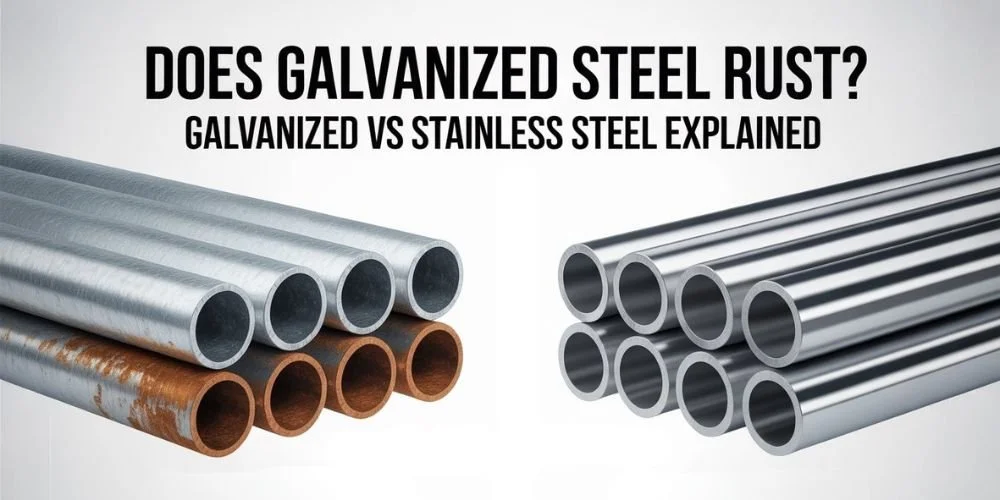
Yes, galvanized steel can rust, but not easily. The zinc coating protects the surface by slowing corrosion and preventing moisture from reaching the steel. However, over time or in harsh environments like salt and humidity, the coating can wear down and allow rust to form.
This guide explains how long galvanized steel lasts, when it rusts, and how it compares to stainless steel.
What Is Galvanized Steel?
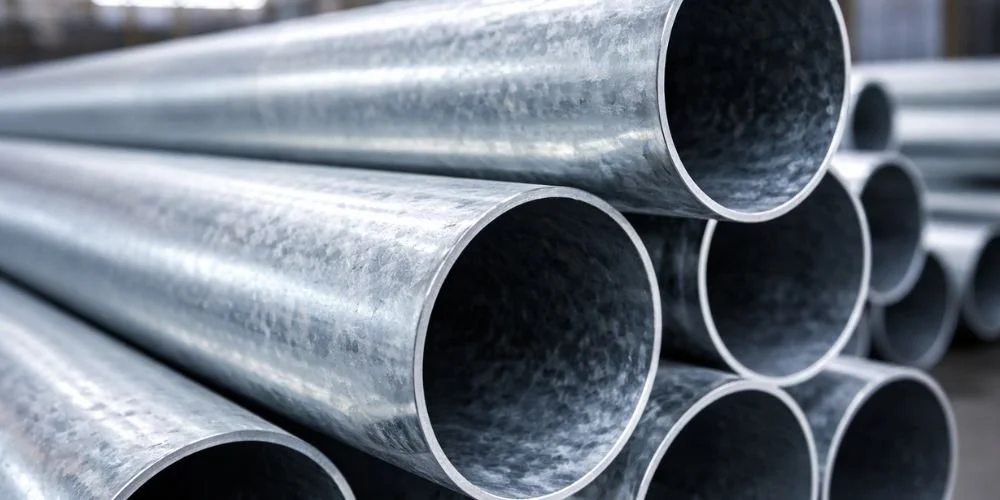
Galvanized steel is regular carbon steel coated with a layer of zinc. This coating acts as a barrier and also provides sacrificial protection, meaning the zinc corrodes first to protect the steel underneath.
It is commonly used in outdoor structures, fencing, roofing, and galvanized sheet metal applications where durability and cost-effectiveness are important.
Benefits of Galvanized Steel
Lower upfront cost
Good corrosion resistance in normal environments
Suitable for outdoor and structural use
Requires less maintenance than untreated steel
Easy to fabricate and install
Does Galvanized Steel Rust?
Yes, galvanized steel does rust, but much slower than regular steel. The zinc coating prevents direct contact between the steel and moisture.
So, can galvanized steel rust? Yes, it can, especially when the coating becomes damaged or worn over time. Once exposed, the steel underneath may begin to corrode.
If rust starts forming, learning how to remove rust from metal surfaces effectively can help restore strength and appearance.
Factors That Cause Galvanized Steel to Rust
Surface scratches or mechanical abrasion
Continuous exposure to humidity or salt spray
Industrial chemicals and airborne pollutants
Standing water and poor drainage conditions
Thin or uneven galvanization coating
Main Causes of Galvanized Steel Rust
Damaged or scratched zinc coating
Constant exposure to moisture
Salt air in coastal areas
Industrial chemicals and pollution
Standing water or poor drainage
When corrosion begins, small rust spots may appear and gradually expand if maintenance is neglected.
In such cases, knowing the right methods to remove rust from metal becomes essential to prevent further corrosion.
How Long Does Galvanized Steel Last?
Many people ask, will galvanized steel rust over time? The answer is yes, but the lifespan depends on the environment.
Normal conditions: 25–70 years
Coastal or humid areas: shorter lifespan
The thicker the coating, the longer the protection lasts.
Can Galvanized Steel Rust in Water?
Yes, galvanized steel can rust in water, especially if it remains exposed for long periods. The zinc coating protects the surface, but constant contact with water can gradually wear it down.
Freshwater causes slower corrosion, while saltwater accelerates the process by breaking down the zinc layer much faster. Once the coating weakens, the underlying steel becomes exposed and can begin to rust, making galvanized steel less suitable for marine or high-moisture environments.
Is Galvanized Steel Rust Proof?
Galvanized steel is not completely rust proof. It is designed to resist corrosion, not prevent it permanently. The zinc layer acts as a protective barrier against moisture and air while also corroding first to protect the steel underneath.
However, once the coating is damaged or worn away, the exposed steel can start to rust. In dry conditions it lasts longer, while moisture and salt can speed up corrosion.
When Does Galvanized Steel Start Rusting?
Galvanized steel starts rusting when the protective coating is no longer effective.
This usually happens when:
The surface is scratched or damaged
It is exposed to salt air or chemicals
It stays wet for long periods
The coating wears off over time
Common Uses of Galvanized Steel
Galvanized steel is widely used because it offers a good balance between cost and durability.
Some common applications include:
Fencing and railings
Roofing sheets and drainage systems
Structural frames and platforms
Utility poles and outdoor fixtures
How to Maintain Galvanized Steel
Proper maintenance can extend its lifespan.
Keep surfaces clean
Avoid standing water
Inspect for damage regularly
Apply protective coatings if needed
What Is Stainless Steel?
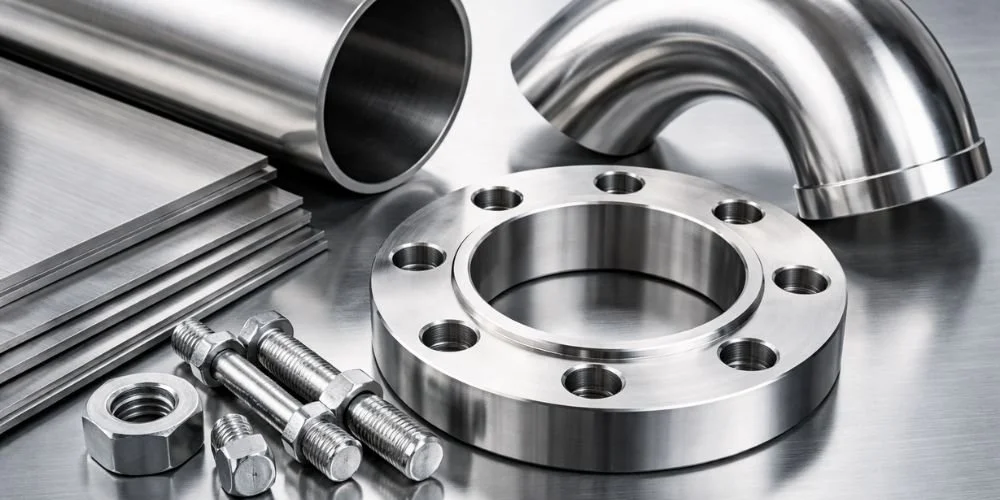
Stainless steel is a type of steel alloy that contains chromium, which forms a thin protective layer on the surface. This layer prevents moisture and oxygen from causing corrosion.
Unlike galvanized steel, the protection comes from within the material itself. If the surface is scratched, the chromium layer can naturally repair itself, helping maintain long-term resistance to rust. Because of this, stainless steel is widely used in environments where durability and corrosion resistance are important.
Galvanized Steel vs Stainless Steel
Both materials resist rust, but they work differently.
Galvanized steel uses a zinc coating for protection
Stainless steel contains chromium for built-in corrosion resistance
Galvanized steel is more affordable
Stainless steel lasts longer in harsh environments
In simple terms, galvanized steel is best for cost-effective outdoor use, while stainless steel is better for long-term performance in harsh environments.
If your main concern is whether galvanized steel rusts, stainless steel offers better long-term resistance in harsh environments. However, galvanized steel is more affordable and works well for most outdoor uses.
Which One Should You Choose?
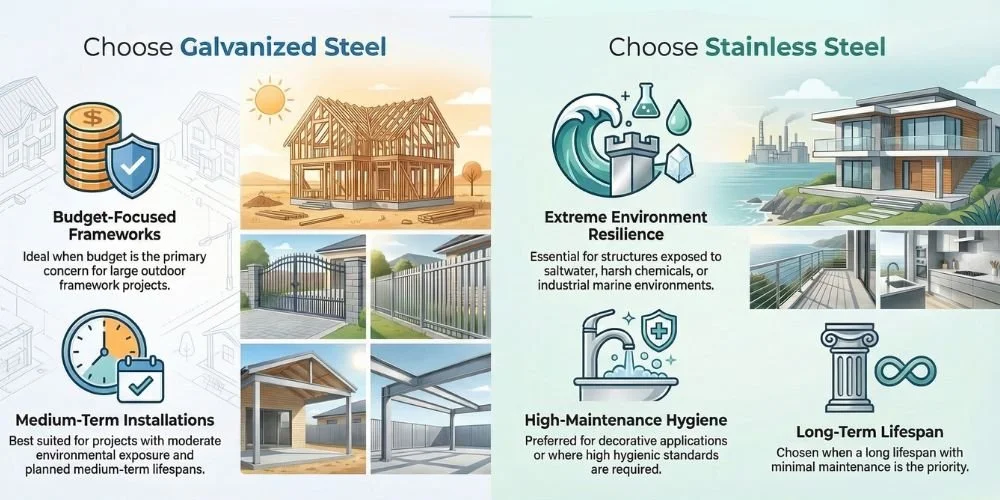
The right choice depends on your budget, environment, and how long you need the material to last.
Choose galvanized steel if:
Budget is a priority and you need a cost-effective solution
The environment is moderate with limited moisture or chemicals
The project involves large structures like fencing, frames, or outdoor supports
Some maintenance over time is acceptable
Choose stainless steel if:
The material will be exposed to high moisture, salt, or chemicals
Long-term durability and corrosion resistance are critical
You want minimal maintenance and longer service life
Appearance and finish are also important
FAQs About Galvanized Steel Rust
Does galvanized steel rust?
Yes, galvanized steel can rust over time, but it resists corrosion much better than regular steel due to its protective zinc coating.
How long does galvanized steel last?
It typically lasts 25–70 years depending on conditions.
Can galvanized steel rust in rain?
Yes, but occasional rain usually does not cause rapid corrosion.
Is galvanized steel better than stainless steel?
Galvanized steel is better for cost-effective outdoor use, while stainless steel is better for long-term durability in harsh environments.
Final Thoughts
When it comes to choosing between galvanized steel and stainless steel, the decision is not about which one is better overall. It’s about choosing what fits your environment and your project.
Galvanized steel works well for most outdoor applications where cost matters and conditions are not too harsh. Stainless steel performs better when moisture, salt, or long-term durability becomes critical.
The material rarely fails the wrong choice does. Pick based on exposure, lifespan, and maintenance needs.
If you want expert guidance in selecting the right material for your project, Elevate Fabricators can help you make the right decision based on your environment, budget, and long-term performance needs.
